October 17, 2026
Metal roofing has moved far beyond its reputation as a purely practical option for barns, warehouses, and industrial buildings. Today, homeowners can choose from sophisticated metal roofing styles that complement everything from traditional architecture to contemporary homes. With clean lines, distinctive textures, and a broad selection of finishes, metal roofing can become an important design feature rather than simply a protective covering.
Choosing the right roofing style involves considering the home’s architecture, exterior materials, surrounding landscape, and desired overall appearance. Experienced roofers can help homeowners evaluate these factors while also accounting for the performance needs of the property. Understanding the most popular modern metal roofing styles can make it easier to select an option that strengthens curb appeal while providing dependable protection.
Choosing Standing Seam Metal Roofing
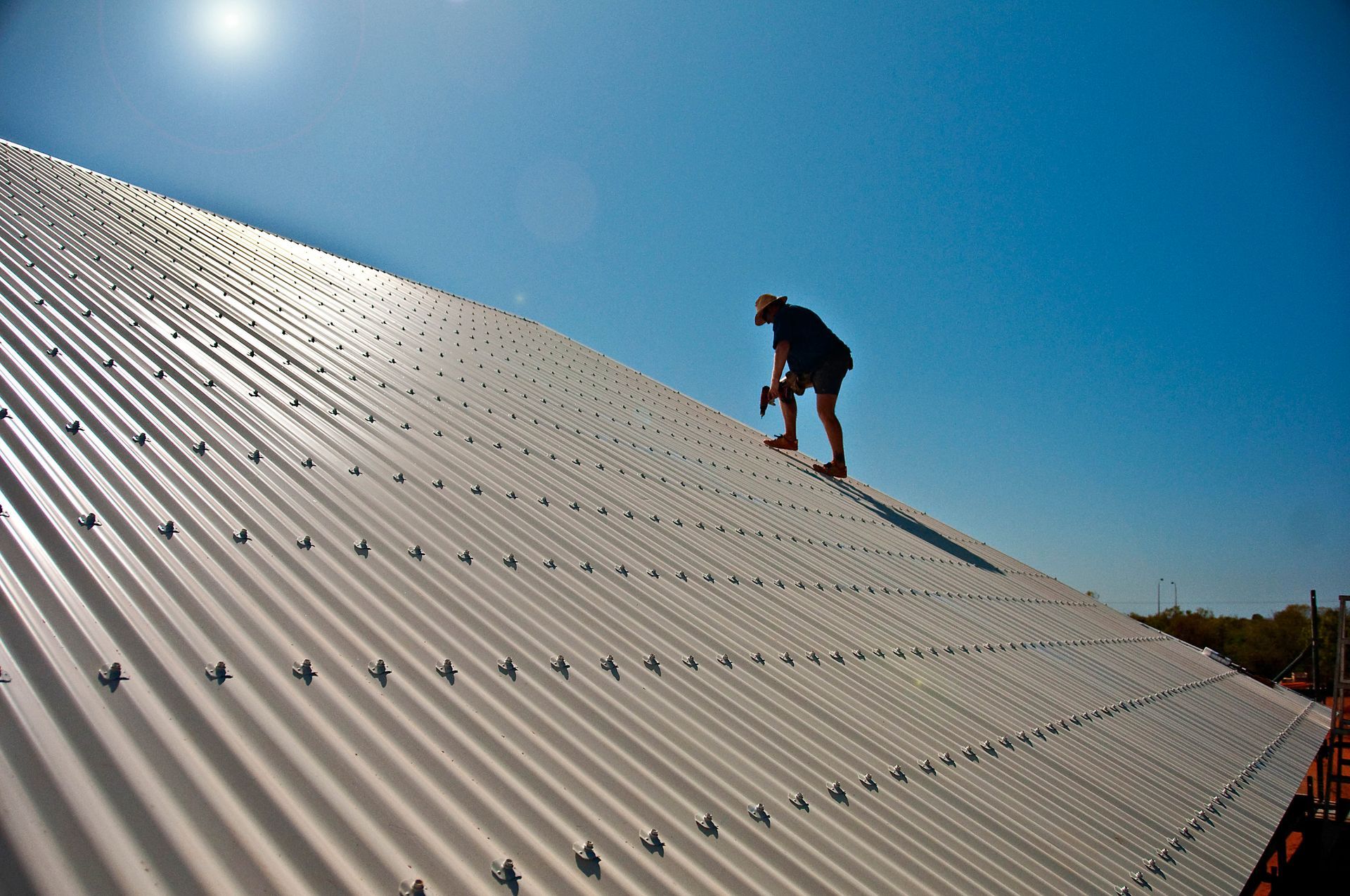
Standing seam roofing is one of the most recognizable modern metal roofing styles. Its appearance is defined by long, uninterrupted panels with raised seams running vertically along the roof. These streamlined lines create a polished look that works especially well with contemporary, modern farmhouse, and minimalist architectural styles. The simplicity of the design allows the shape and structure of the home to remain visually prominent.
This style can also provide a dramatic contrast when paired with traditional exterior materials. Brick, stone, natural wood, and siding can all look refreshed when combined with a sleek metal roof. Homeowners often choose neutral finishes for an understated appearance, while deeper or more distinctive tones can make the roof a stronger visual feature. Professional roofers can recommend panel profiles and finishes that complement the home’s existing design rather than overpowering it.
Exploring Metal Shingle Roofing
Homeowners who appreciate the performance characteristics of metal but prefer a more familiar roof appearance may be drawn to metal shingles. These products can mimic the scale and visual rhythm of conventional shingles while introducing the durability and distinctive finish associated with metal. Because they are available in many textures and profiles, they can suit homes with traditional, transitional, or cottage-inspired architecture.
Metal shingles can be particularly appealing when homeowners want to modernize their property without dramatically changing its character. Instead of creating the long vertical lines associated with standing seam panels, shingles produce smaller repeating patterns across the roof. That added visual detail can complement decorative trim, dormers, porches, and other architectural features. Skilled roofers can help homeowners determine whether a particular shingle profile enhances the home’s proportions and exterior details.
Considering Metal Tile Roofing
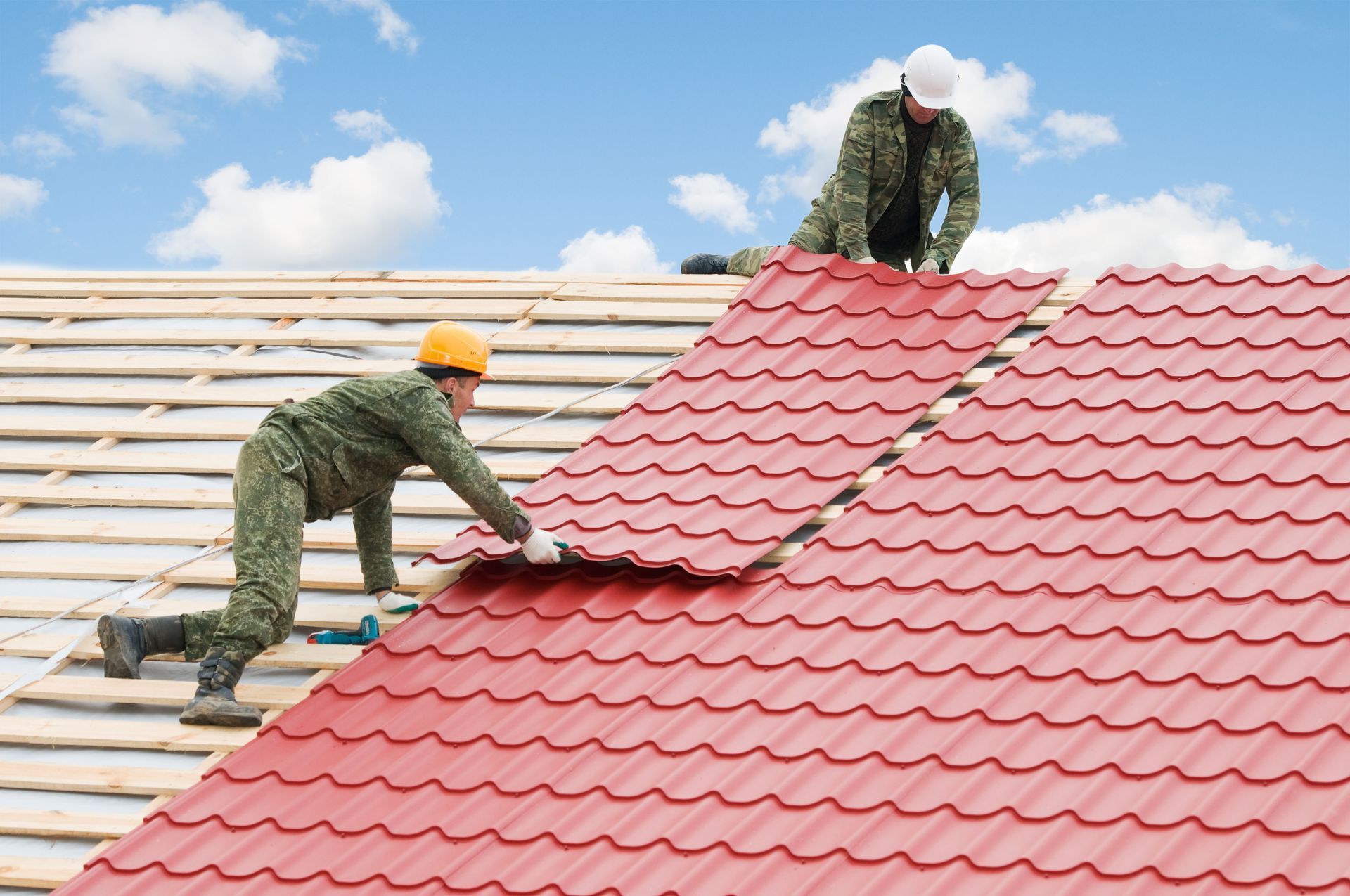
Metal tile roofing combines the visual appeal of classic tile with the distinctive qualities of a metal roofing system. Depending on the profile, it can resemble traditional clay or other sculpted roofing materials. This makes it an attractive option for homeowners who want dimensional character while maintaining a clean and updated exterior appearance.
The curved or shaped profiles of metal tile can add depth to a roof, especially on homes with prominent rooflines. Mediterranean-inspired, Spanish-influenced, and transitional homes may benefit from this type of styling. The finish is also important because it affects how strongly the roof stands out from the rest of the exterior. Coordinating roofing tones with stucco, masonry, shutters, and landscaping can create a cohesive appearance that feels intentional from every angle.
Selecting Metal Shake Roofing
Metal shake roofing offers another way to combine traditional inspiration with modern materials. Its design can reproduce some of the texture associated with wood shakes, giving the roof a more dimensional and handcrafted appearance. This can be especially effective on rustic homes, cabins, craftsman properties, and residences that feature substantial amounts of stone or natural wood.
Texture plays an important role in curb appeal because it can keep a large roof surface from appearing flat or visually disconnected from the rest of the home. Metal shake profiles introduce variation while maintaining a coordinated overall pattern. Homeowners considering this style should think about how the roof interacts with siding, trim, entryways, and other prominent exterior features. Working with roofers can also help ensure the selected profile supports both the desired appearance and the practical requirements of the roof.
Coordinating Metal Roofing Colors
The profile of a metal roof is only part of its visual impact. Color can dramatically influence whether the roof feels subtle, dramatic, traditional, or contemporary. Neutral shades can blend easily with a wide range of exterior palettes, while darker finishes may create strong definition around the home’s roofline. Lighter or more distinctive finishes can produce an entirely different effect depending on the surrounding materials.
A coordinated exterior does not necessarily require every feature to match. Instead, homeowners can look for colors that share complementary undertones or create deliberate contrast. A roof might coordinate with window frames, doors, trim, masonry, or other architectural accents. Professional roofers can provide insight into how different finishes may look across a large roof surface, helping homeowners avoid choosing a color based solely on a small sample.
Matching Metal Roofing With Architecture
The most attractive roofing choice is often one that appears naturally connected to the home’s architectural style. A sleek standing seam system may reinforce the simplicity of a contemporary house, while textured shingles or shakes can complement a property with more decorative exterior features. The roof should contribute to the overall composition instead of looking like an unrelated addition.
Roof shape also influences which style creates the strongest visual result. Gables, valleys, dormers, porches, and changes in roof elevation can affect how panels or repeating patterns appear from the street. Experienced roofers can evaluate these architectural characteristics before recommending a particular metal profile. This broader design perspective helps homeowners choose roofing that enhances the structure rather than focusing only on the material itself.
Balancing Roofing Style With Longevity
Curb appeal matters, but a roofing selection should also provide dependable long-term performance. Homeowners often invest significant effort into choosing exterior materials because these elements influence both the appearance and protection of the property. A well-selected metal roof can support both priorities when the materials, installation, and overall design are appropriate for the home.
Longevity can also influence how homeowners evaluate the value of professional installation. According to Bob Vila, a high-quality roof installed by a dependable contractor can remain functional for 15 years or longer, while certain roof types may last 50 years or more. Because a roof can remain part of a home’s exterior for an extended period, selecting a style that complements the architecture is an important consideration. Qualified roofers can help homeowners balance appearance, material characteristics, and installation requirements when planning the project.
Enhancing Exterior Design With Details
Small design choices can significantly affect the finished appearance of a metal roof. Panel width, seam placement, texture, finish, and the way roofing transitions around architectural features all contribute to the final look. Details around ridges, valleys, chimneys, and roof edges should feel visually consistent with the broader design of the property.
Homeowners can also consider how the roof will appear alongside future exterior updates. Changes to siding, paint, doors, windows, or landscaping may alter the overall color palette of the property. Selecting a versatile metal roofing style can provide greater flexibility for these improvements. Consulting roofers during the planning stage can help homeowners consider the complete exterior rather than treating the roof as an isolated feature.
Creating Lasting Curb Appeal
Modern metal roofing gives homeowners many opportunities to combine practical protection with distinctive design. Standing seam panels can provide crisp contemporary lines, while metal shingles, tiles, and shakes can introduce texture and traditional character. The variety of profiles and finishes available makes it possible to find an option suited to nearly any architectural direction.
The strongest results come from considering the entire home when making a roofing decision. Architecture, exterior materials, color, texture, and roof shape should work together to create a cohesive appearance. Professional roofers can provide valuable guidance throughout this process, helping homeowners select materials that look intentional while supporting the property’s long-term needs.
Planning Your Metal Roofing Project
A thoughtfully selected metal roof can transform the appearance of a home while providing a polished finishing element to its exterior design. At Quinn Roofing & Construction, we help homeowners explore roofing options that complement their property’s architecture and aesthetic goals. Contact us to discuss your project and learn how our team can help you create a roof that enhances your home’s curb appeal for years to come.