August 19, 2026
Choosing a roofing material is one of the most important decisions a homeowner can make when replacing or installing a roof. The right material can affect the appearance, maintenance needs, longevity, and overall performance of the home. Asphalt shingles remain a popular choice because they are versatile, widely available, and generally affordable. Metal roofing has also become increasingly popular because of its durability, energy performance, and modern appearance. Neither option is automatically right for every property, so homeowners should consider several factors before making a decision. Comparing the materials based on budget, climate, maintenance, appearance, and expected lifespan can make the process easier. Working with experienced local roofing contractors can also help homeowners understand which option fits their particular property. A careful decision can result in a roof that provides dependable protection while complementing the home's design.
Comparing Asphalt and Metal Roofing Basics
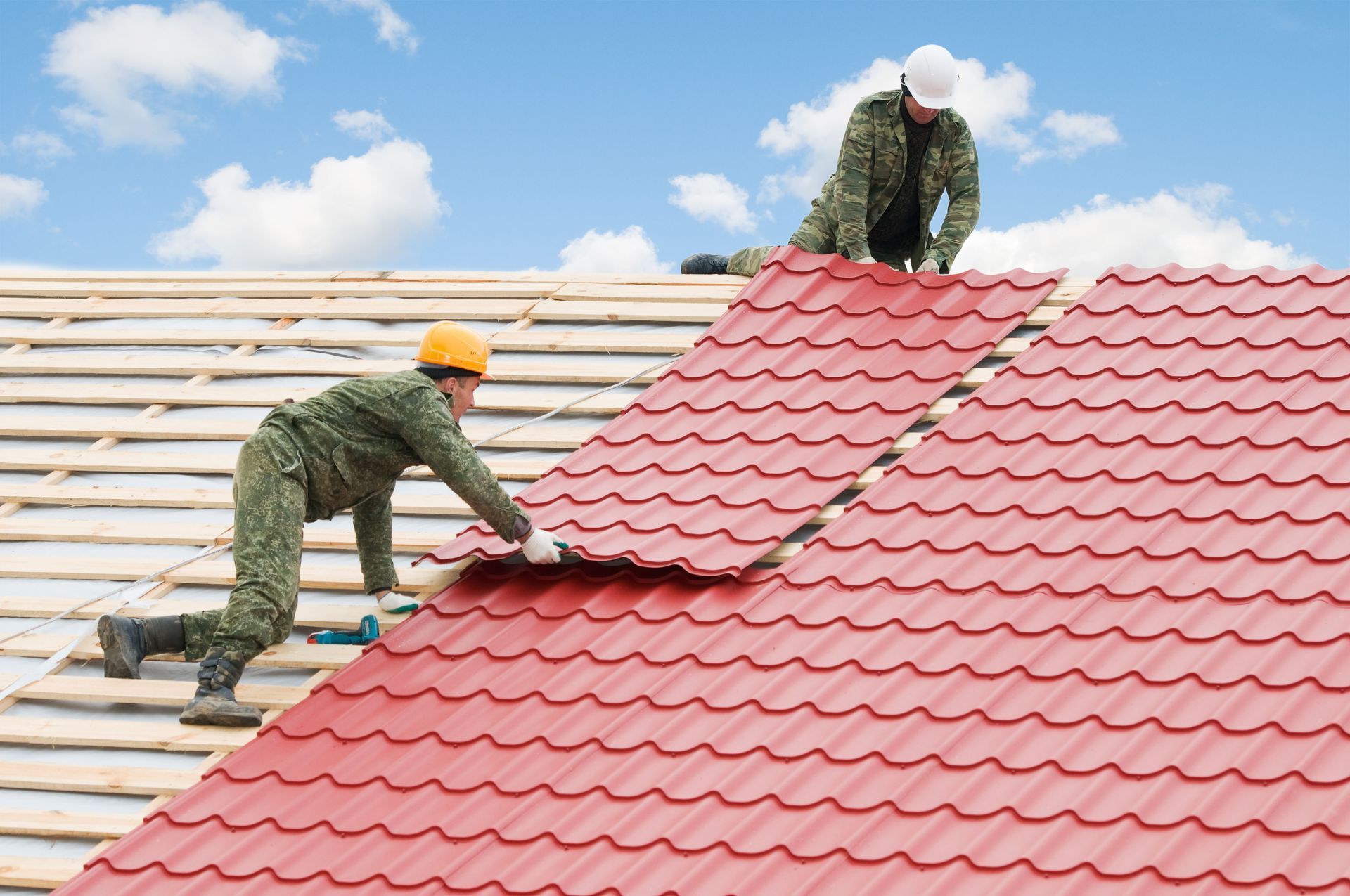
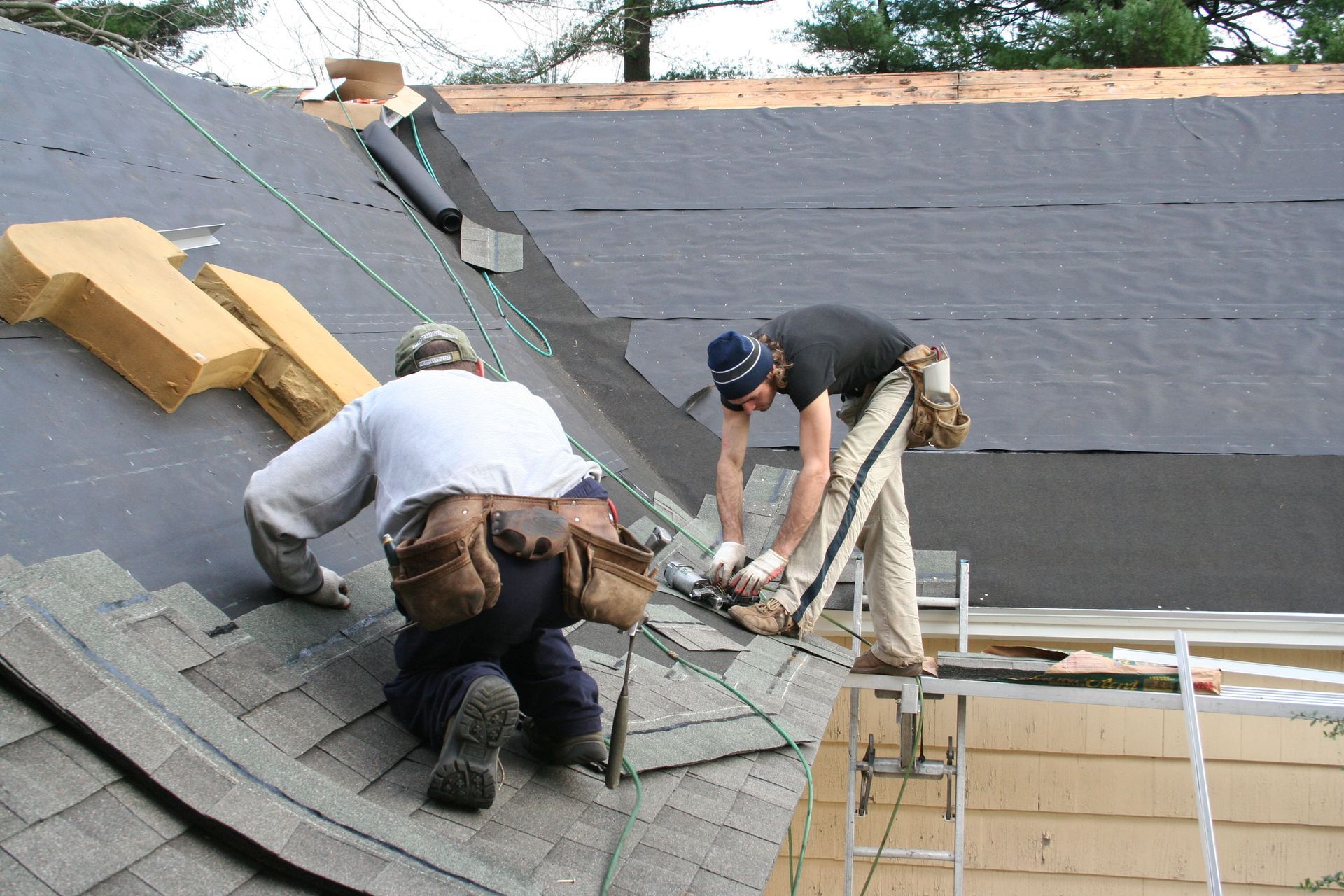
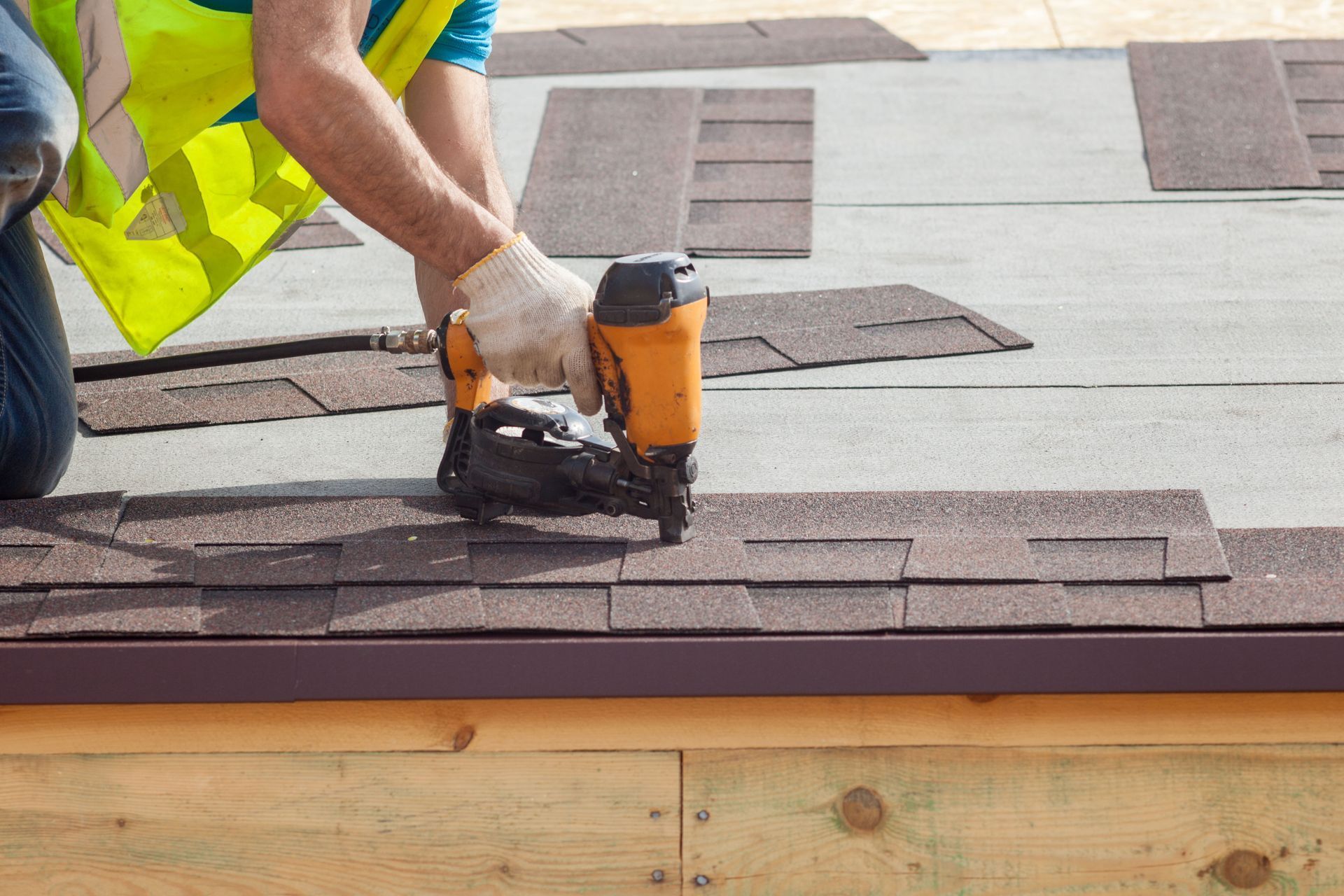
Asphalt shingles are made from a combination of materials designed to provide a protective layer over the roof structure. They are available in many styles and colors, making them easy to coordinate with different architectural designs. Metal roofing is available in materials such as steel, aluminum, and other metal systems that can be designed for residential applications. Both options are available in different profiles and finishes, allowing homeowners to choose an appearance that suits their preferences. Local roofing contractors can explain the differences between available products and help homeowners compare their features. Asphalt is often selected for its familiar appearance and straightforward installation, while metal is frequently chosen for its strength and long-term performance. The best choice depends on what the homeowner expects from the roof and how long they plan to remain in the property. Understanding the basic differences provides a useful starting point for comparing the two materials.
Evaluating the Initial Roofing Cost
Budget is often one of the first considerations when homeowners compare roofing materials. Asphalt shingles typically have a lower upfront installation cost than many metal roofing systems. This can make them appealing to homeowners who need to replace a roof while working within a specific budget. Metal roofing can require a larger initial investment because of the material itself and the installation process. However, looking only at the initial price does not provide a complete picture of the value of a roof. Local roofing contractors can provide estimates that account for the size, slope, condition, and complexity of the roof. Homeowners should compare the total project cost rather than focusing solely on the price per roofing square. Considering expected maintenance and replacement needs can also help homeowners evaluate the long-term financial impact of each option.
Considering Roofing Longevity
The expected lifespan of a roofing material can influence whether the initial investment makes sense. Asphalt shingles can provide reliable service for many years when they are properly installed and maintained. Their lifespan can vary depending on the type of shingles, installation quality, weather exposure, and maintenance. Metal roofs are known for their durability and can potentially remain functional for several decades with proper care. Local roofing contractors can help homeowners compare the expected service life of specific roofing products rather than relying on general assumptions. Homeowners who plan to remain in their property for many years may place greater importance on long-term durability. Those planning a shorter stay may prioritize affordability and immediate needs. Considering how long the roof is expected to serve the property can help homeowners choose a material that aligns with their plans.
Comparing Weather and Climate Performance
Weather conditions should also play a major role in selecting roofing materials. Asphalt shingles can perform well in many climates when the appropriate product is selected and installed correctly. Metal roofing can provide strong resistance to several forms of severe weather, including wind and heavy rain. Both materials can experience damage under extreme conditions, so installation quality remains important regardless of the product chosen. Local roofing contractors understand regional weather patterns and can recommend roofing systems designed for the conditions common in the area. Homeowners should consider exposure to intense sunlight, storms, heavy precipitation, and temperature changes when comparing materials. Proper ventilation and underlayment can also affect how a roof performs over time. Selecting a material based on the property's actual environmental conditions can help improve long-term performance.
Reviewing Maintenance Requirements
Every roofing system requires some level of maintenance, even when the material is designed for durability. Asphalt shingles should be inspected for cracked, missing, curled, or damaged shingles that could allow water to reach the underlying structure. Metal roofs should also be inspected for issues such as damaged panels, loose fasteners, corrosion, or problems around flashing and penetrations. Local roofing contractors can identify potential concerns during routine inspections and recommend repairs when necessary. Keeping gutters clear and removing debris from the roof can also help prevent moisture-related problems. Homeowners should not assume that a metal roof never needs maintenance simply because it can last for a long time. Likewise, proper maintenance can help asphalt shingles perform closer to their expected lifespan. Establishing a regular inspection routine can help identify small issues before they become more expensive roofing problems.
Comparing Energy Efficiency
Energy performance is another factor worth considering when choosing between asphalt and metal roofing. The color, coating, ventilation system, insulation, and overall roof design can all influence how much heat enters the home. Some metal roofing systems are designed with reflective finishes that can help reduce heat absorption. Asphalt shingles are also available in products designed to provide improved energy performance. Local roofing contractors can explain how different roofing materials and colors may affect the home's heating and cooling demands. Homeowners should consider the entire roofing assembly instead of expecting the roofing material alone to determine energy efficiency. Proper attic insulation and ventilation can have a major impact on indoor comfort as well. Comparing complete roofing systems can provide a more accurate understanding of potential energy performance.
Examining Curb Appeal and Design
A roof can significantly influence the overall appearance of a home, making aesthetics another important consideration. Asphalt shingles come in a wide range of colors, textures, and styles that can complement traditional and contemporary homes. Metal roofing is also available in numerous finishes and profiles, allowing it to work with both modern and classic architectural designs. Some metal products are designed to resemble other roofing materials while maintaining the characteristics of metal. Local roofing contractors can show homeowners different material options and explain how they may look on the property. Homeowners should consider the existing siding, exterior colors, windows, doors, and architectural style before selecting a roof. A material that looks appealing on a sample may appear different when installed across an entire roof. Choosing a style that complements the home's exterior can improve its overall visual appearance.
Homeowners often consider whether a roofing upgrade can contribute to the property's value. The potential return depends on factors such as material quality, installation, local housing conditions, and buyer preferences. According to the Journal of Light Construction, a metal roof replacement had an estimated 51% return on investment in 2025. This figure does not mean every metal roof will produce the same return because individual properties and markets can vary. Local roofing contractors can help homeowners understand how material choices may affect the property's appeal and long-term value. A quality installation can also contribute to the roof's performance and appearance, which may be important when selling the home. Homeowners should balance potential resale considerations with their own needs and budget. Looking at both immediate benefits and longer-term value can help create a more informed roofing decision.
Local roofing contractors can evaluate the property and help compare both materials based on its condition and the homeowner's priorities. Quinn Roofing & Construction can help homeowners review their options and determine which roofing system is appropriate for their property. From evaluating the existing roof to discussing materials and installation requirements, professional guidance can make the process easier to understand. If you are considering a roof replacement, contact us to discuss your property, compare your options, and plan your next roofing project.